Source High Horsepower Weichai Diesel Engine for Trucks, Generators, Construction
Find 30 high horsepower Weichai diesel engine listings for heavy trucks, standby generators, and construction machinery. Compare specifications like cooling systems, power ranges, and engine types from verified suppliers.
Key considerations
Products List


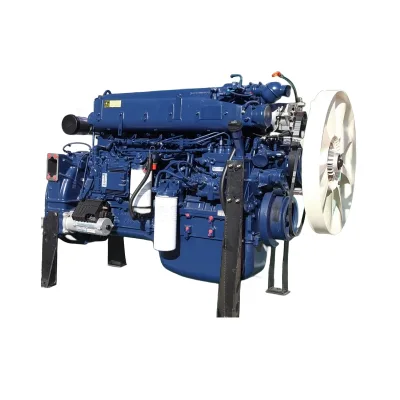


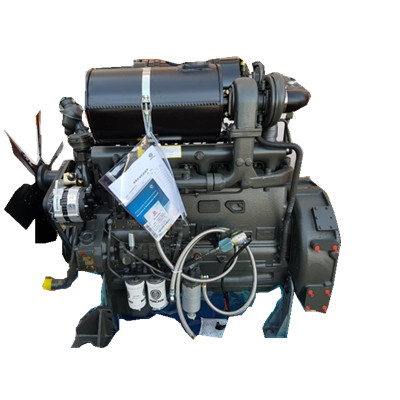

Comprehensive Sourcing Guide
Strategic Sourcing Guide for High Horsepower Weichai Diesel Engines
Technical Architecture and Performance Specifications
When sourcing high horsepower Weichai diesel engines, buyers must first establish a clear understanding of the available technical architectures. The product landscape includes a diverse range of configurations, from in-line engines to horizontal opposed designs, each serving distinct operational needs. The observed data indicates a displacement range extending up to 9.0 liters for heavy-duty applications, with specific models like the WP13 series offering power outputs that reach 610 horsepower. This high-horsepower tier is critical for demanding sectors such as heavy-duty trucking and dump truck operations, where torque and sustained power delivery are paramount.
The cooling systems associated with these engines vary significantly based on the intended application and model series. While some units are designed with air-cooled systems, others utilize liquid-cooled or water-cooling methods to manage thermal loads in high-intensity environments. The compression ratios and cylinder configurations, including VE configurations, are engineered to optimize fuel efficiency and power output. For instance, specific engine assemblies are noted to have a displacement of 7.0 liters, catering to heavy-duty truck applications with a focus on reliability under extreme stress.
The transmission and drivetrain integration also play a vital role in the overall system performance. Buyers should note that these engines are often paired with electronic control units (ECU) to manage fuel injection and engine timing precisely. In some configurations, the system includes a dual-plate clutch mechanism and torque converters, with torque capacities reaching up to 1500 lb-ft. This integration ensures that the high horsepower generated by the engine is effectively transferred to the wheels, particularly in heavy truck applications where load management is critical.
| Engine Attribute | Observed Specification | Application Context |
|---|---|---|
| Displacement | 7.0L to 9.0L | Heavy-duty Trucks, Dump Trucks |
| Horsepower Range | Up to 610 HP | High-load transport, Construction |
| Cooling Method | Air-cooled, Liquid-cooled, Water Cooling | Varies by model and duty cycle |
| Cylinder Form | In-line, Horizontal Opposed | Specific engine series configurations |
| Control System | Electronic Control Unit (ECU) | Precision fuel and timing management |
| Torque Capacity | Up to 1500 lb-ft | Heavy Truck, Industrial Machinery |
Compliance, Emission Standards, and Certification Verification
Navigating the regulatory landscape for high horsepower diesel engines requires rigorous verification of emission standards and compliance certifications. The product data references Euro Engine standards, which are essential for meeting international environmental regulations. Buyers must explicitly verify the specific Euro standard applicable to the engine model, as this dictates the permissible levels of nitrogen oxides (NOx) and particulate matter. While some background information mentions CE certification, this should be treated as a general market observation rather than a guaranteed attribute for every unit without direct confirmation from the manufacturer.
The emission standards are often tied to the engine's displacement and horsepower output. For example, a 550 horsepower engine assembly is associated with specific emission compliance requirements that differ from lower-power units. It is imperative for procurement teams to request official documentation proving that the engine meets the target market's regulatory framework, whether it be Euro V, Euro VI, or other regional equivalents. Relying on generic claims without verified documentation can lead to significant compliance risks, including the inability to register vehicles or operate machinery in regulated zones.
Furthermore, the quality assurance processes associated with these engines are a critical component of compliance. The observed data highlights a "100% Inspection" protocol, suggesting a comprehensive quality control measure where every unit undergoes rigorous testing before shipment. This inspection likely covers emission performance, structural integrity, and operational stability. Buyers should demand detailed inspection reports that correlate with the specific engine serial number to ensure that the compliance claims are backed by tangible evidence. Without these documents, the risk of acquiring non-compliant equipment remains high, potentially resulting in costly fines or operational shutdowns.
Cost Drivers and Pricing Structure Analysis
The pricing structure for high horsepower Weichai diesel engines is influenced by a complex array of factors, including horsepower rating, cooling technology, and the level of customization required. The observed market data indicates a wide price range, spanning from $10 to $100,000 USD. This broad spectrum reflects the diversity of the product line, which includes everything from smaller auxiliary units to massive 4000 kVA generator sets and heavy-duty truck engines. The specific cost of a high-horsepower engine will depend heavily on its displacement, the complexity of its electronic control systems, and the inclusion of specialized components like torque converters or dual-plate clutches.
Customization availability is a significant cost driver in this sector. The ability to tailor the engine to specific land use requirements, such as low-noise automation types for urban environments, can increase the base price. Additionally, the choice of cooling method—whether air-cooled or liquid-cooled—impacts manufacturing costs and, consequently, the final price. Buyers should anticipate that engines with advanced features, such as the 610 horsepower WP13 series with integrated ECUs, will command a premium over standard configurations.
Packaging and logistics also contribute to the overall cost. The standard packaging for these units is typically a wooden case or wooden crate, designed to protect the engine during international shipping. While this adds to the initial expense, it is essential for preventing damage during transit. The origin of the product, primarily from China with specific manufacturing hubs in Jinan, influences shipping costs and lead times. Buyers must factor in these logistical variables when budgeting for the total cost of ownership, as the initial purchase price is only one component of the procurement expenditure.
Typical Applications and Operational Contexts
High horsepower Weichai diesel engines are engineered for a wide array of demanding applications, with a primary focus on the heavy transport and industrial sectors. The data explicitly identifies applications in dump trucks and heavy-duty trucks, where the ability to haul significant loads over long distances is essential. In these contexts, the engine's torque capacity and durability are the most critical performance metrics. The 9.0-liter displacement engines, for instance, are specifically designed to handle the rigorous demands of construction and mining transport, where reliability is non-negotiable.
Beyond transportation, these engines are also utilized in power generation units. The product range includes self-starting diesel generators with power outputs ranging from 20 kVA to 4000 kVA. These units are deployed in common units, standby units, and emergency crew scenarios, ensuring continuous power supply during grid failures or in remote locations. The low-noise automation type is particularly relevant for urban or residential areas where noise pollution is a concern, highlighting the versatility of the engine platform in adapting to different land use requirements.
The integration of these engines into various vehicle types is also notable. The compatibility with a wide range of car brands, including Honda, Volkswagen, Ford, Hyundai, Mitsubishi, and BMW, suggests a level of adaptability that extends beyond heavy-duty applications. However, the primary design intent remains focused on heavy truck and industrial machinery. The specific model numbers, such as the WP12 430 and WP13G530E310, indicate specialized configurations tailored for specific performance envelopes. Buyers should align their application requirements with the specific engine model to ensure optimal performance and longevity.
Supplier Evaluation and Quality Assurance Protocols
Evaluating suppliers for high horsepower Weichai diesel engines requires a multifaceted approach that goes beyond simple price comparisons. The presence of a "100% Inspection" protocol in the product data suggests a high standard of quality control, but buyers must verify how this is implemented. A robust supplier evaluation should include an audit of the supplier's quality management systems, specifically their ability to conduct comprehensive testing on every unit before shipment. This includes verifying the integrity of the engine assembly, the accuracy of the electronic control unit programming, and the effectiveness of the cooling system.
The origin of the product is another critical factor in supplier evaluation. With the primary manufacturing location identified as Jinan, China, buyers should assess the supplier's proximity to these manufacturing hubs. Proximity can facilitate better communication, faster response times for technical support, and more efficient logistics management. Additionally, the supplier's ability to provide detailed technical documentation, including assembly manuals and maintenance guides, is essential for long-term operational success.
Material quality is also a key consideration. The use of aluminum in certain components indicates a focus on weight reduction and thermal efficiency, which are crucial for high-performance applications. Buyers should request material certifications to ensure that the aluminum and other components meet the required industry standards. Furthermore, the supplier's track record in handling complex orders, such as those requiring custom packaging in wooden crates, demonstrates their logistical capabilities and attention to detail. A supplier that can consistently deliver high-quality products with reliable packaging is better positioned to meet the rigorous demands of the heavy-duty market.
Long-Term Procurement and Maintenance Considerations
Sourcing high horsepower diesel engines is not merely a transactional event but a strategic decision that impacts long-term operational efficiency. The availability of spare parts and the complexity of maintenance are critical factors that buyers must consider. The electronic control units and specialized components like the dual-plate clutch require specific expertise for repair and replacement. Buyers should ensure that the supplier offers a comprehensive after-sales support network, including access to technical experts and a reliable supply chain for spare parts.
The durability of the engine is also a long-term consideration. The observed data highlights specific models with high horsepower ratings and robust construction, such as the 610 horsepower engine assembly. These engines are designed for extended service life, but their performance depends heavily on proper maintenance. Buyers should develop a maintenance schedule that aligns with the manufacturer's recommendations, focusing on cooling system checks, oil changes, and ECU diagnostics. The choice of cooling method, whether air-cooled or liquid-cooled, will influence the maintenance requirements and the frequency of inspections.
Finally, the adaptability of the engine to future regulatory changes is a vital long-term consideration. As emission standards continue to evolve, engines that are compliant with current Euro standards may face obsolescence in the near future. Buyers should prioritize engines that offer flexibility for upgrades or modifications to meet emerging regulations. This proactive approach ensures that the procurement investment remains viable and compliant over the long term, protecting the buyer from the risks of regulatory non-compliance and premature asset replacement. By focusing on these long-term factors, buyers can secure a reliable and efficient power solution that supports their operational goals for years to come.
FAQs
What is the horsepower range for these engines?
The engines range from 400 HP up to 610 HP in specific assemblies. This capacity supports heavy-duty trucks and dump truck applications requiring sustained power delivery under extreme stress.
Which cooling methods are available for these units?
Available cooling methods include air-cooled, liquid-cooled, and water-cooling systems. The selection depends on the specific model series and the intended operational duty cycle.
Can these engines be customized for specific land use?
Yes, customization is available to meet specific land use requirements. Options include low-noise automation types suitable for urban environments or specialized configurations for industrial machinery.
What is the typical packaging for these engines?
Standard packaging involves wooden cases or wooden crates designed for international shipping. This protective measure ensures the engine remains undamaged during transit from the manufacturing origin.
Which brands are compatible with these engine assemblies?
These engines are suitable for all brands including Honda, Volkswagen, Ford, Hyundai, Mitsubishi, and BMW. They are primarily designed for heavy truck applications but offer broad adaptability.
How is quality assurance handled for these products?
A 100% inspection protocol is applied to every unit before shipment. This comprehensive process verifies structural integrity, emission performance, and operational stability to ensure compliance.